For European defence programmes, the origin of electronic components and subsystems is no longer just a commercial consideration — it is a strategic one. The International Traffic in Arms Regulations (ITAR) administered by the US State Department can impose significant export control restrictions on US-origin technology, creating delays, administrative burden and sovereignty concerns for non-US programme offices. Understanding ITAR and its implications is essential for procurement teams working on European defence programmes.
What Is ITAR?
ITAR (International Traffic in Arms Regulations) is a set of US government regulations that control the export and import of defence-related articles and services. Equipment and technology on the US Munitions List (USML) is subject to ITAR. If a rugged computer contains ITAR-controlled components or technology — typically US-origin processors, encryption modules or RF components — its export to non-US entities requires a US State Department export licence. This process can take months and may be denied.
What Does ITAR-Free Mean in Practice?
- ›The rugged computer platform and its key components (processors, chipsets, memory, storage, I/O) are not of US origin and are not controlled under the US Munitions List.
- ›The platform can be exported to allied nations without requiring a US State Department export licence.
- ›Programme data — including software, firmware and configuration files — loaded onto the platform does not itself become ITAR-controlled solely by virtue of the hardware.
- ›Important caveat: ITAR-free hardware does not make the complete system ITAR-free if the software, payload or other subsystems contain ITAR-controlled elements.
Why EU-Manufactured Electronics Matter
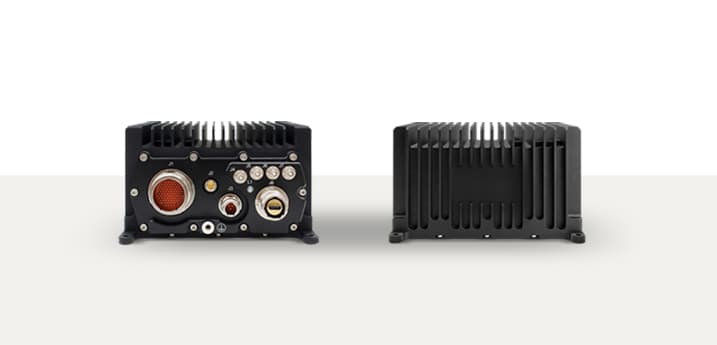
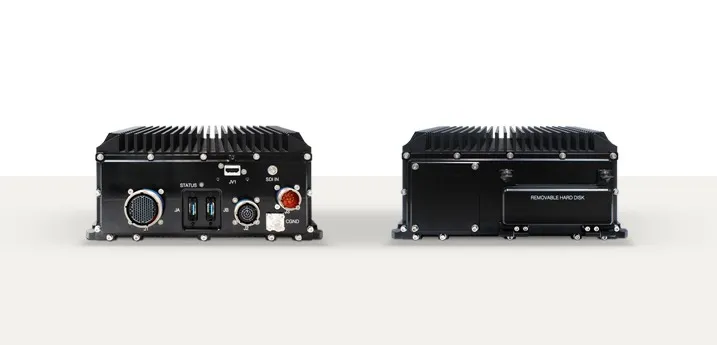
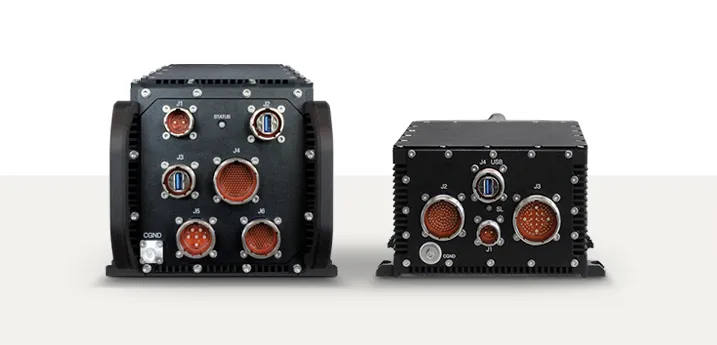
Beyond ITAR, European defence ministries are increasingly requiring European supply chains for strategic programmes. EU-manufactured electronics provide: supply chain transparency and auditability; elimination of Foreign Ownership, Control or Influence (FOCI) concerns; alignment with EU defence industrial policy and EDIDP/EDF funding requirements; and the ability to conduct open-architecture modifications without US release authority. GOMA designs and manufactures rugged computer platforms in Europe, providing programme offices with full supply chain documentation.
Questions to Ask Your Supplier
- ›Where are your platforms designed and manufactured? (Country of design matters as much as country of assembly.)
- ›Can you provide a Bill of Materials (BoM) with country of origin for all major components?
- ›Are any components on the US Munitions List or subject to US Export Administration Regulations (EAR)?
- ›Do you hold any US export licences or Technology Assistance Agreements (TAAs) that could impose licence conditions on us?
- ›Can you supply a written ITAR-free declaration for the platform?
Dual-Use Regulations: The EU Perspective
Even ITAR-free European electronics may be subject to EU dual-use export controls (Council Regulation 2021/821 and national implementations). High-performance processors, encryption technology and certain RF components may require EU export authorisation for export outside the EU. Programme offices should engage their national export control authority (e.g. BAFA in Germany, SIEL in France) to understand their obligations — particularly for programmes involving third-country exports.