GAP-151P-G7 Series
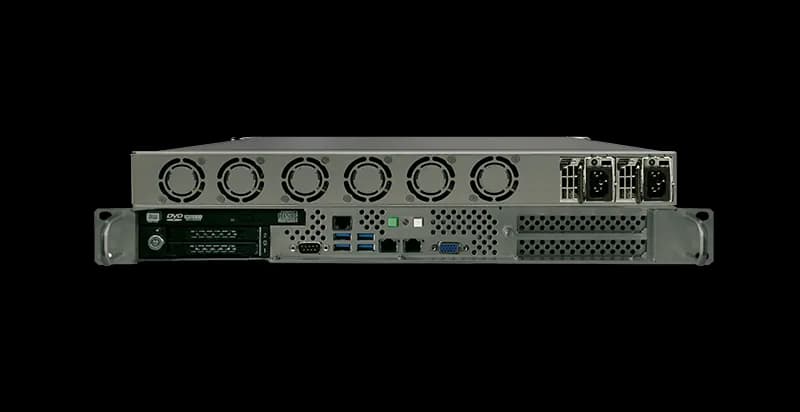
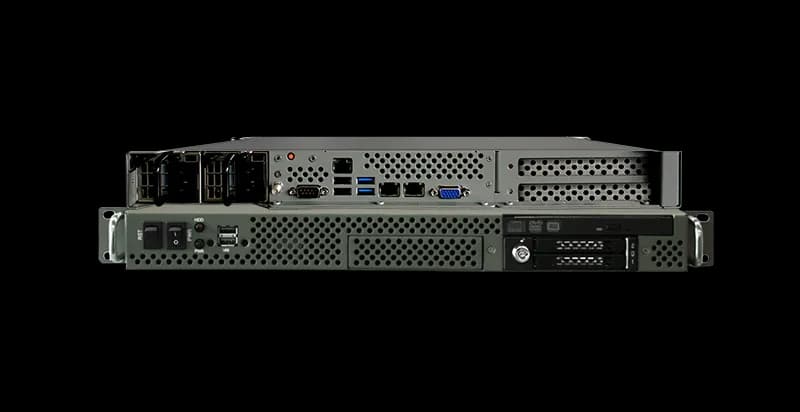
1U Rugged Workstation
8th/9th Gen Intel® Core™ & Xeon® E Processors
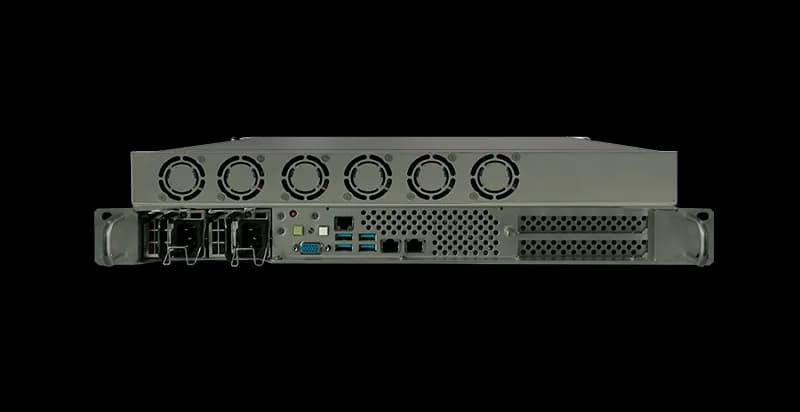
SingleSocket
510mmDepth
FrontI/O
FrontPSU
Overview
GAP is a line of high performance rugged workstations designed for applications that require a robust MIL-GRADE certified computing platform, suitable for operating in critical environments. Gen. 7 rugged workstations feature Intel® Xeon® E-2200/2100 or 8th/9th Gen. Intel® Core™ i3 (Coffee Lake) processors supporting up to 8 Cores (16 thread with Hyper-Threading), 16MB Smart Cache, up to 128GB DDR4 memory with or without ECC and up to 16 PCIe 3.0 lanes. The integrated IPMI services support monitoring, control, and management functions sending alarm notifications in case of critical events. GAP servers are MIL-STD-810F qualified for temperature and shock, MIL-STD-167-1A for vibrations and can optionally conform to MIL-STD-461.
System Features
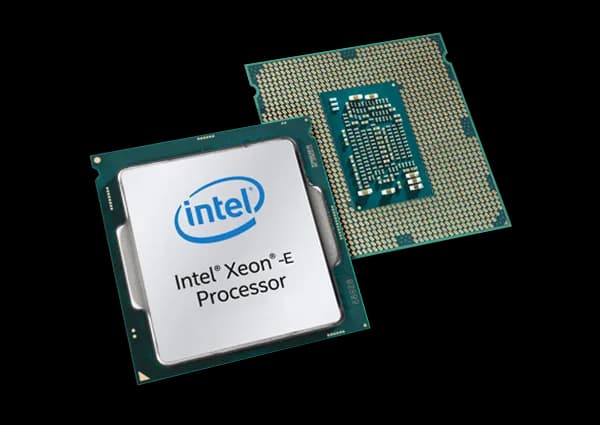
Processor8th/9th Gen. Intel® Core™ i3/Pentium®/Celeron®, Intel® Xeon® E-2200/2100 Processor (up to 95W) – Single Socket LGA-1151 (Socket H4)
MemoryUp to 128GB ECC UDIMM, DDR4-2600MHz
ChipsetIntel® C246
Network2 x RJ45 Gigabit Ethernet
1 x RJ45 dedicated to IPMI
1 x RJ45 dedicated to IPMI
Storage2.5” SATA Disk – RAID 0, 1, 5, 10
SATA6 SATA3 (6Gbps) ports; RAID 0, 1, 5, 10
TPM1 TPM Header
Motherboard I/OAvailable at the front: 1 x VGA, 2 x USB 2.0, 2 x USB 3.1, 1 x COM, 2 x LAN, 1 x IPMI
Expansion slots2x PCIe – Bracket Full Height
Operative SystemsWindows® Server 2012 R2; Windows® Server 2016; Windows® Server 2019; Ubuntu 18.04 LTS; CentOS 7.5; Windows® 10 64bit
IPMIIPMI2.0, SPM, Watchdog; SNMP and e-mail alarms notification
MonitoringMonitoring, control, and management functions (fan speed, temperature, voltage, redundant power failure, power consumption, disk health, raid health, and memory health)
Power Supply100/240 Redundant VAC
18-36 Single or Redundant VDC
36-72 Single or Redundant VDC
18-36 Single or Redundant VDC
36-72 Single or Redundant VDC
Mechanical Features
Dimensions
(W x D x H)483 x 510 x 44,45 mm
(W x D x H)483 x 510 x 44,45 mm
ConstructionAluminum with surface passivation treatment
ColourSilver / RAL 9007
Mounting1U 19” rackmount chassis
Telescopic slides optional
Telescopic slides optional
ConfigurationFront I/O and Power Supply
Front PanelLed Power ON and HDD/SSD functionality; Power ON / OFF and System Reset
Drive Bay1 x internal SSD 2.5”
Environmental Features
Operating Temperatures0°C to +50°C
MIL-STD-810H, Method 501.7 & 502.7
-20°C to +60°C (depending on configuration)
MIL-STD-810H, Method 501.7 & 502.7
-20°C to +60°C (depending on configuration)
Storage Temperature-40°C to +70°C
MIL-STD-810H, Method 501.7 & 502.7
MIL-STD-810H, Method 501.7 & 502.7
Humidity5% – 95% non-condensing
MIL-STD-810H 507.6
MIL-STD-810H 507.6
Operating VibrationsMIL-STD-167-1A, Type I
Not Operating Vibrations1.17 Grms, 5-500 Hz
MIL-STD-810H, Method 514.8
MIL-STD-810H, Method 514.8
Operating Shocks20g / 11ms – half sine
MIL-STD-810G, Method 516.7
MIL-STD-810G, Method 516.7
EMCDirective 2014/35/UE-LVD | Directive 2014/30/UE-EMC | Directive 2011/65/UE – RoHS
Regulation EC No 1907/2006 | MIL-STD-461G (on request)
Regulation EC No 1907/2006 | MIL-STD-461G (on request)
From the Blog
Insights & Engineering Guides
Buying Guide
How to Specify a Rugged Computer for Defence
A practical framework for defence engineers to define the right operating temperature range, mechanical envelope, power budget, I/O requirements and qualification standards before issuing an RFQ.
Read MoreQualification Guide
From Prototype to Qualification: The MIL-STD Programme Timeline
A realistic guide to planning environmental qualification campaigns — from initial design review through prototype build, pre-compliance testing and final qualification test reporting.
Read MoreTechnical Guide
MIL-STD-810 vs DO-160G: What’s the Difference?
Both standards address environmental ruggedness, but they target different domains. This guide explains the key test methods, applicability and what to ask your supplier.
Read More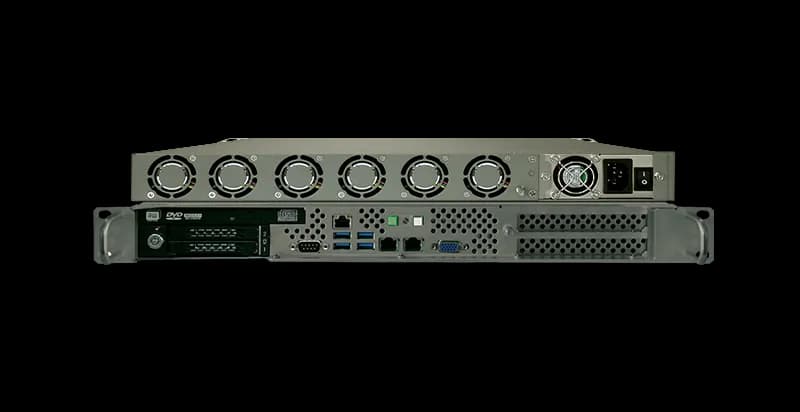
Contact
Any Mission Starts with a Conversation.
At GOMA Rugged Solutions, you talk to engineers - not salespeople. Tell us about your program requirements and we will identify the right platform, configuration and qualification path.